Growth Isn’t a Mystery — Britain Just Needs to Choose It

A pragmatic case for restoring UK economic momentum through investment, stability, and a renewed pro-enterprise mindset

Canary Wharf Skyline
Economic growth is not an abstract ambition; it is the foundation of rising living standards, sustainable public services, and national confidence. Yet in Britain today, growth has become something of a political slogan — invoked often, delivered rarely.
The uncomfortable truth is that the UK’s growth problem is not the result of a single shock or policy misstep. It is the cumulative effect of years of underinvestment, policy drift, and a reluctance to make clear, long-term economic choices.
“Economic growth is ultimately a function of confidence — and confidence is built on clarity, consistency, and credibility.”

A Long Slow Decline in Momentum
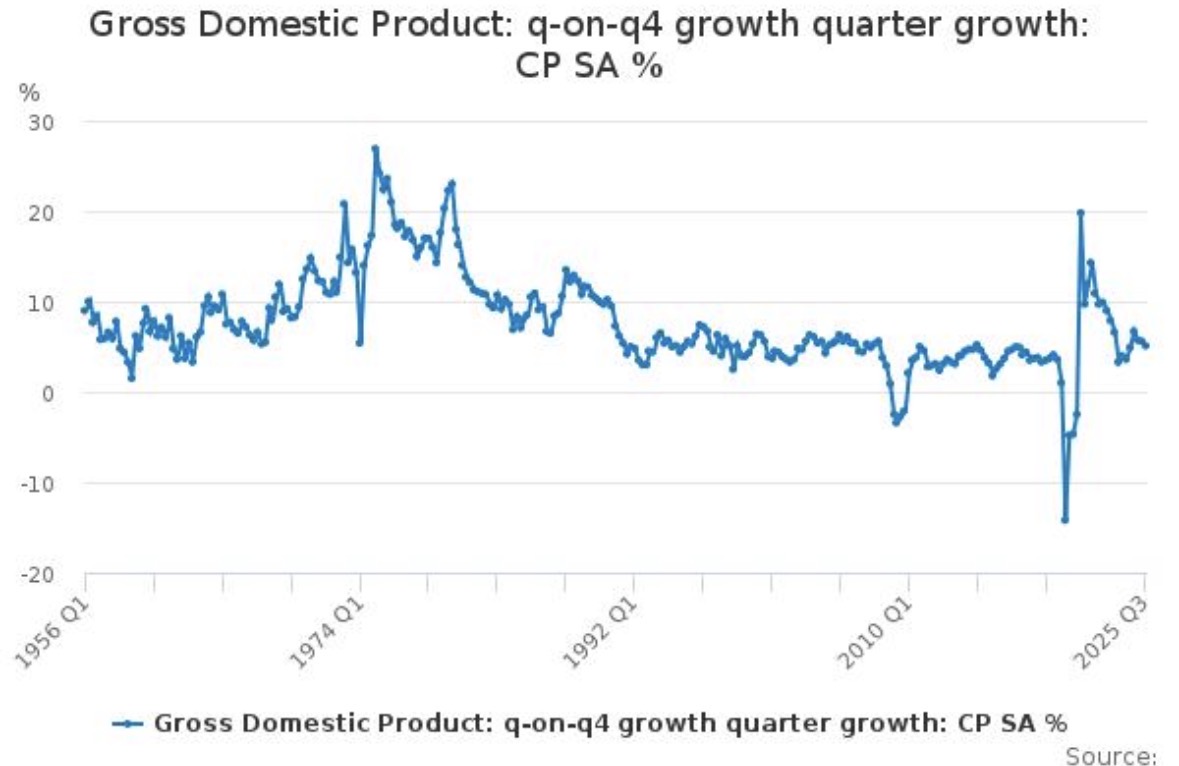
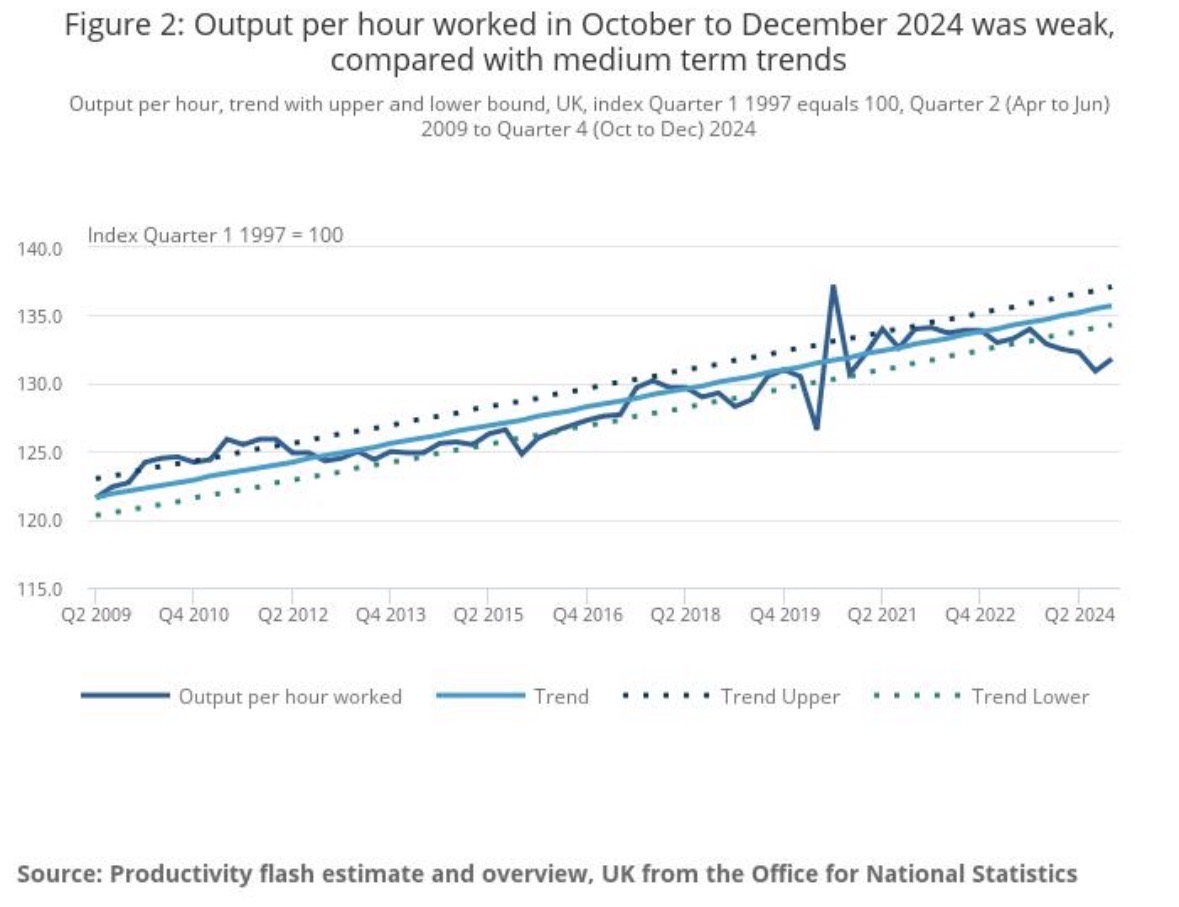
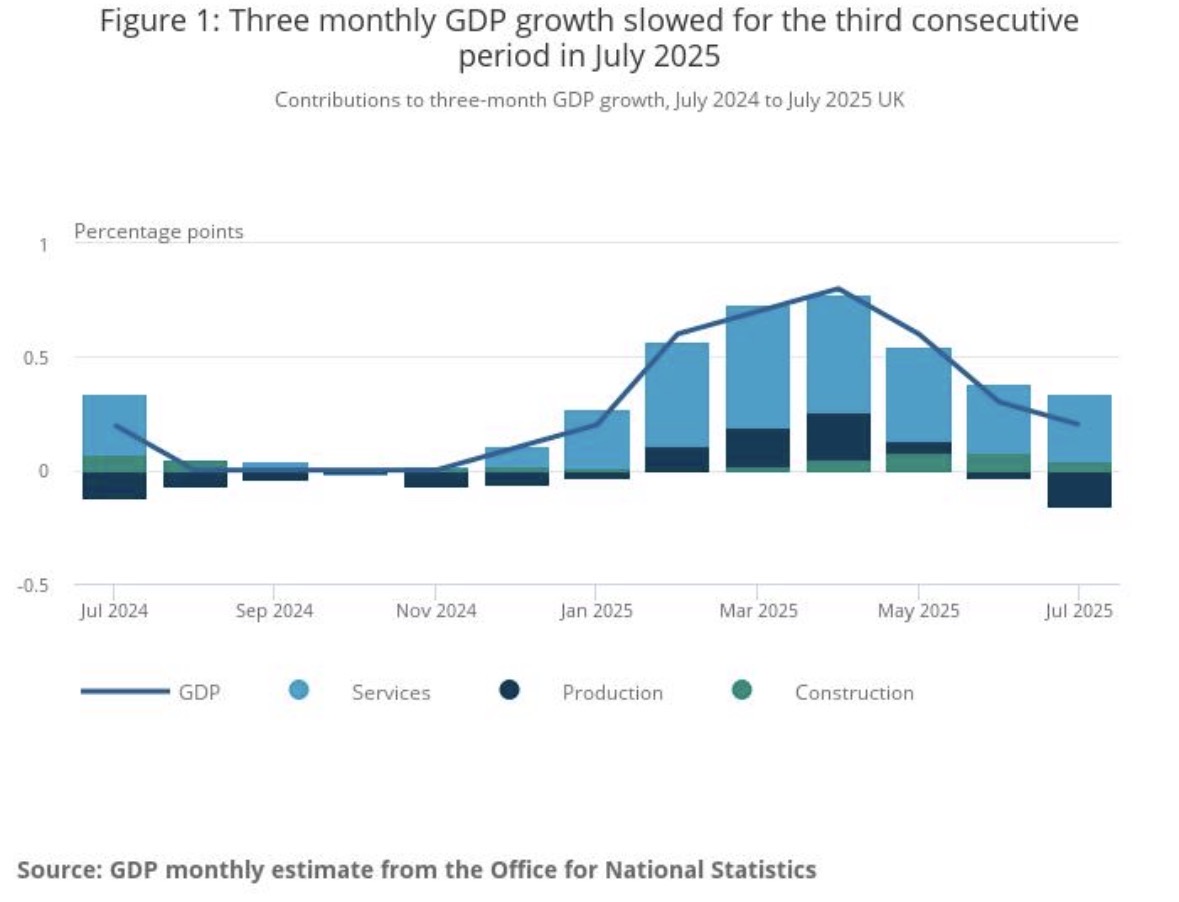
The UK economy has not collapsed — but it has quietly stagnated. Productivity growth, the engine of long-term prosperity, has been weak since the financial crisis. Business investment has lagged behind comparable economies, and real wage growth has been inconsistent at best.
There are, of course, external pressures: global uncertainty, energy shocks, and post-pandemic disruption. But other advanced economies have managed stronger recoveries. Britain’s challenge is, in large part, self-inflicted.
“Stability is not the enemy of dynamism; it is its precondition.”

At the heart of the issue lies a persistent investment gap. Both public and private investment in the UK have trailed international peers for decades. This is not simply about spending more — it is about creating the conditions in which long-term investment feels viable.
Businesses do not invest on sentiment alone. They invest when policy is predictable, regulation is proportionate, and the tax environment is stable. Frequent policy reversals, unclear industrial strategy, and short-term fiscal signalling have too often undermined that confidence.

Share this article

Share on Facebook Share on X Share on LinkedIn

Comments

Join the discussion below.

Leave a comment

Minimum 10 characters. Maximum 3000 characters.

No comments yet. Be the first to contribute.